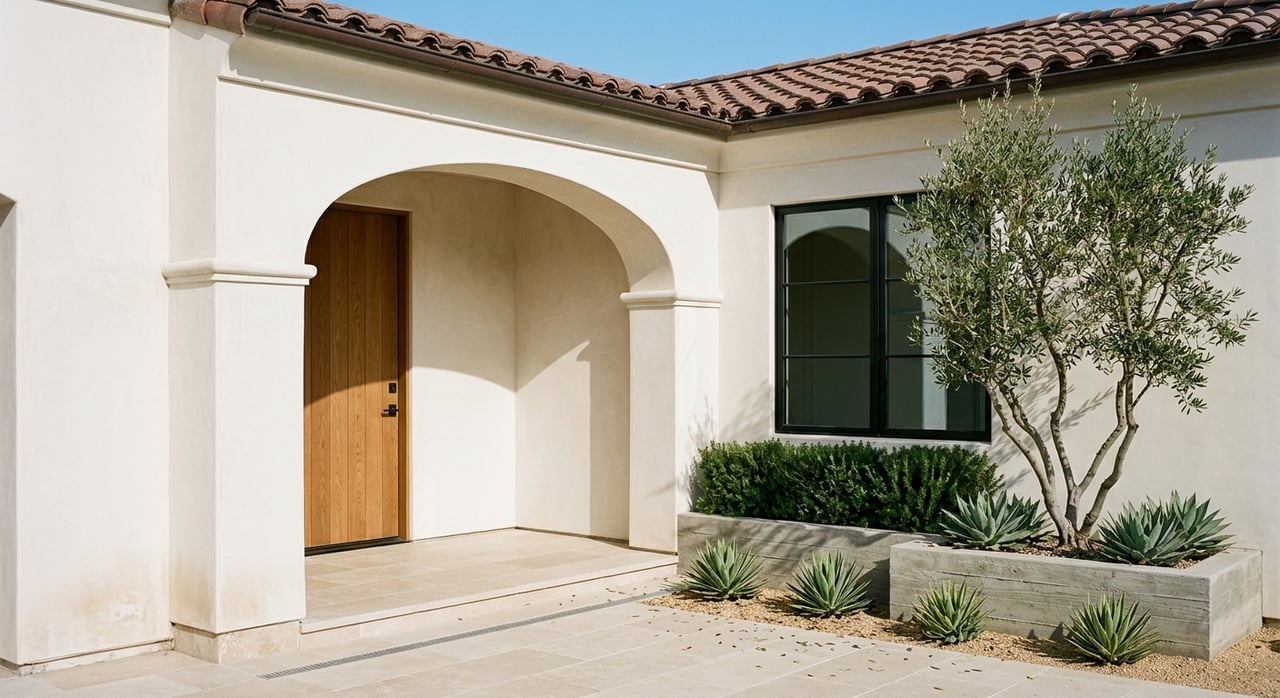
If Del Mar is on your second-home shortlist, you are probably drawn to more than just a property. You are picturing beach walks, village dining, ocean views, and an easy coastal rhythm that feels like a true getaway. The key is making sure the home you choose fits how you plan to use it, what you want to manage from afar, and whether it supports your long-term goals. Let’s dive in.
Why Del Mar Appeals
Del Mar offers a rare mix of seaside charm and everyday convenience. According to the City of Del Mar, the city has about 4,200 residents, spans 2.2 square miles, and welcomes more than 2 million visitors each year.
That small footprint is a big part of the appeal for second-home buyers. The city notes that you can explore Del Mar on foot or by bicycle, with access to beaches, trails, village streets, restaurants, and seasonal attractions that support a relaxed coastal lifestyle.
Del Mar also stays active throughout the year. The city highlights recurring draws like the racetrack, fairgrounds, farmers market, and summer concerts, which can make the area feel vibrant and amenity-rich while also bringing heavier seasonal activity during peak times.
Start With How Often You'll Use It
One of the first questions to answer is simple: how often will you actually be here? A home you plan to use on holiday weekends a few times a year should be evaluated differently from one you expect to enjoy every month.
In Del Mar, the compact village layout can make part-time ownership feel easy and convenient. At the same time, the same visitor-friendly setting can mean more parking pressure, more seasonal traffic, and more planning around arrivals, departures, and service visits, especially during busy times of year.
If your goal is a spontaneous coastal escape, convenience matters. You may want to focus on a property that feels easy to lock, leave, and return to without a lot of prep work.
Think About Lock-And-Leave Practicality
Not every second home delivers the same ownership experience. In general, lower-maintenance properties are easier to leave unattended, while larger detached homes may offer more space and privacy but usually require more ongoing coordination.
That coordination can include cleaning, landscaping, security checks, and routine inspections when you are away. For many buyers, this is one of the biggest tradeoffs in Del Mar: more house can mean more flexibility, but it may also mean more oversight.
Security-conscious buyers may also want to understand local service structure. The City of Del Mar states that law enforcement is provided through the San Diego County Sheriff’s Department, and fire administration is handled through a mutual agreement with Encinitas and Solana Beach.
Look Beyond The View
It is easy to fall in love with a beautiful setting in Del Mar. But when you are buying a second home, the better question is not just how the property looks today. It is how manageable it will be over time.
Del Mar’s planning documents make clear that coastal ownership comes with location-specific considerations. The city’s Climate Action Plan discusses adaptation to sea-level rise and water shortages, and its sea-level-rise planning identifies vulnerable areas that include beachfront and bluff-top residences, shoreline access areas, roads, utilities, the San Dieguito Lagoon area, and other coastal infrastructure.
The city’s Safety and Environmental Justice Element also points to flood hazards, geologic hazards, fire hazards, and hazardous waste management as key planning concerns. For you as a buyer, that means due diligence should include questions about drainage, erosion exposure, bluff proximity, insurance, and how easily the property can be monitored while vacant.
Understand Location-Specific Constraints
Some Del Mar properties come with added development and use constraints based on their exact location. The city’s SB 9 development guidance notes that certain lots are not eligible for SB 9 development if they are located in areas such as the Coastal Bluff Overlay Zone, Bluff/Slope/Canyon Overlay Zone, Lagoon Overlay Zone, Open Space Overlay Zone, Beach Overlay Zone, Special Flood Hazard areas, or parts of the Very High Fire Hazard Severity Zone without two emergency evacuation routes.
Even if you are not planning to develop right away, this still matters. Constraints tied to overlays, flood exposure, bluff conditions, or access can shape future flexibility, maintenance planning, and your overall comfort with the property as a long-term hold.
In other words, a second home in Del Mar should be evaluated as a specific asset, not just a beach-close lifestyle purchase. Two homes that look similar online can carry very different ownership considerations once you dig into exposure, access, and upkeep.
Verify Rental Plans Early
If part of your plan is to rent the home out occasionally, make that a front-end verification step, not a later assumption. Del Mar has a short-term rental permit program, and the rules are important.
According to the city’s Short-Term Rentals page, as of spring 2026 only existing short-term rental owners are eligible to apply because the citywide cap is 129 permits. New owners are not currently eligible for a new permit and are instead placed on a waitlist. The city also lists a permit fee of $815 and renewal fees of $598 every two years.
Tax compliance is part of the equation too. Del Mar’s TOT FAQ for STR owners states that the transient occupancy tax rate is 13% and applies to stays of 30 consecutive calendar days or less, based on the total amount charged including common stay-related fees.
The practical takeaway is clear: do not underwrite vacation-rental income unless the permit status, tax obligations, and any association rules have been verified. If rental income is important to your purchase decision, that step should happen early.
Factor In Property Taxes
Second-home buyers should also prepare for the tax side of ownership at purchase. San Diego County explains that a change in ownership generally triggers reassessment, and a supplemental assessment and supplemental tax bill may be issued in addition to the regular annual bill. The county also notes that under Proposition 13, annual assessment increases are generally limited to the inflation rate or 2%, whichever is less, and that the base property tax rate is 1% of assessed value plus voter-approved bonds and other direct levies. You can review that on the county’s realty assessment page.
Another point many second-home buyers should note is the Homeowners’ Exemption. San Diego County states that the exemption generally continues only while the owner occupies the property as their principal residence, which means a second home typically would not qualify. That guidance is available on the county’s Homeowners’ Exemption page.
For many buyers, this is less about memorizing every tax rule and more about planning correctly from the start. Your CPA, attorney, or estate planner can help you think through ownership structure and tax treatment based on your broader goals.
Match The Home To Your Real Use Case
The best second home in Del Mar is not always the one with the best photos or the shortest walk to the beach. It is the one that supports how you want to live, how often you will be here, and how much complexity you are comfortable managing when you are away.
For some buyers, that means prioritizing simplicity and low maintenance. For others, it means balancing privacy, view, and space against added service coordination, hazard exposure, or future use limitations.
When you look at Del Mar through that lens, your decision gets sharper. You stop asking, “Is this a beautiful home?” and start asking, “Is this the right second home for the way I want to own?”
If you are weighing a second-home purchase in Del Mar, working with a local advisor who understands coastal micro-locations, property-specific constraints, and ownership planning can save you time and help you avoid expensive assumptions. To talk through your goals and explore the right fit, connect with Valerie Zatt.
FAQs
What makes Del Mar appealing for a second home?
- Del Mar offers a compact coastal setting with beaches, trails, walkable village streets, restaurants, and seasonal events, all within a small seaside community.
What should I consider before buying a lock-and-leave home in Del Mar?
- You should think about maintenance needs, security, service coordination, seasonal traffic, parking, and how easy the property will be to manage when you are away.
Are there coastal risk factors to review when buying a second home in Del Mar?
- Yes. Buyers should review property-specific issues such as flood exposure, drainage, erosion, bluff proximity, insurance considerations, and other location-based risks noted in city planning documents.
Can I buy a Del Mar second home and use it as a short-term rental?
- You should verify that carefully, because Del Mar has a short-term rental permit cap, new owners are currently placed on a waitlist, and tax and property-specific rules may apply.
Do second homes in Del Mar qualify for the Homeowners’ Exemption?
- In general, no. San Diego County says the Homeowners’ Exemption typically applies only to a property occupied as the owner’s principal residence.
Why does micro-location matter when buying a Del Mar second home?
- Micro-location can affect walkability, seasonal activity, maintenance demands, hazard exposure, development constraints, and overall ease of ownership over time.